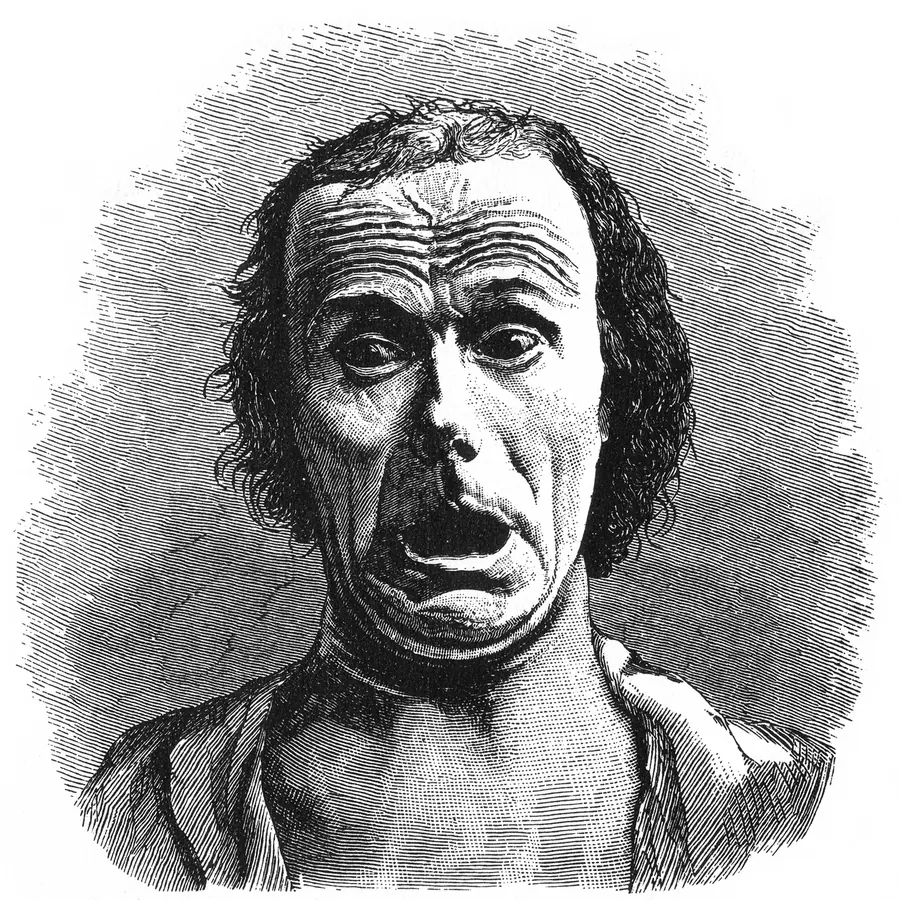
How Expressions Change Face Geometry
Facial expressions temporarily alter the positions of facial landmarks in ways that affect the face recognition embedding. A wide smile raises the cheeks, partially closes the eyes, stretches the mouth corners horizontally, and produces nasolabial folds that alter the apparent midface geometry. All of these are genuine geometric changes that the embedding encodes.
Training data for face recognition includes faces with varied expressions, so the model handles most expressions reasonably well. But expressions still introduce noise: the same face at rest and the same face smiling will produce slightly different embeddings, and strong expressions may shift the embedding enough to change the top match.
What to Do
For best results, use a neutral or mildly relaxed expression, not forced neutral, which can produce an unusual muscle configuration, but natural resting to slight relaxation. Avoid: very wide smiles that partially close the eyes; raised eyebrows; frowning; any expression involving strong muscle contraction.
If you are curious how expression affects your results, try uploading the same photo session with different expressions and compare the top results. The consistency of your top match across expressions reflects how robustly the identity signal comes through despite expression variation.