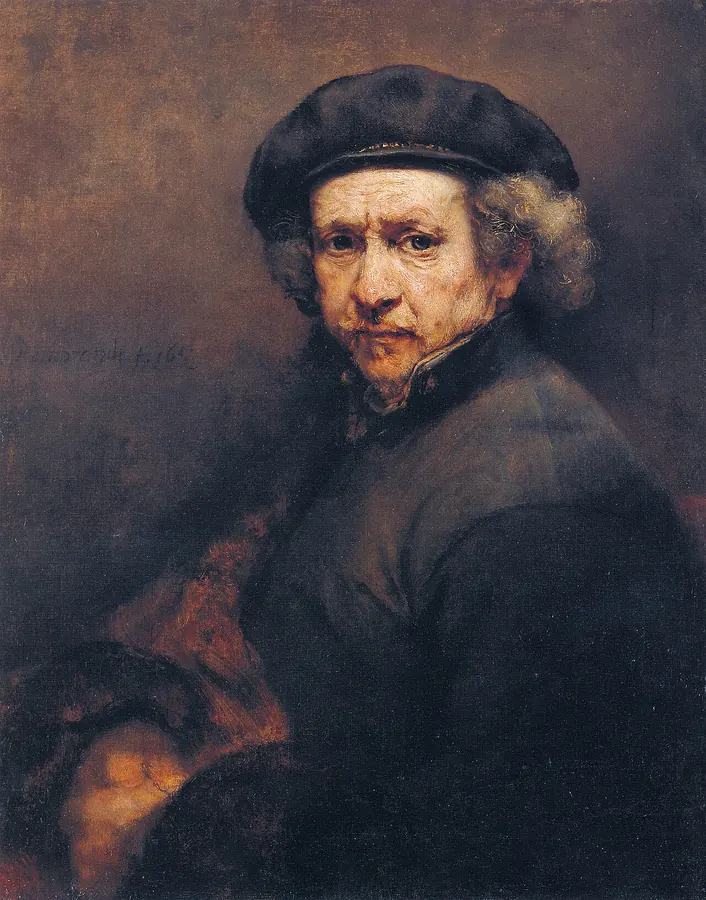
The Portrait as Identity Document
For most of human history, the portrait painting served the same function that a photograph or biometric scan serves today: creating a persistent representation of an individual's appearance that could be shared across time and space. Court portraits, memorial paintings, and miniatures were explicitly designed to encode identity, to be recognisable as a specific person, not just a face.
Portrait conventions that developed over centuries, controlled poses, specific lighting standards, particular spatial relationships between features, parallel the standardised conditions used in modern face recognition photography. Both reflect the same underlying insight: to capture identity reliably, you need to control the conditions that cause face appearance to vary.
Physiognomy and Its Limits
Physiognomy, the practice of inferring character from facial features, has ancient roots and was taken seriously as a science through the 19th century. Phrenology added skull shape to the mix. Both have been thoroughly discredited: there is no reliable relationship between facial features and personality traits, criminal tendency, intelligence, or moral character.
Modern face recognition makes no such inferences. It computes geometric similarity for identity comparison, a well-validated capability. The boundary between valid identity-based face comparison and invalid character-from-face inference is sharp and important. Any claim that AI can determine personality, criminality, or other character traits from face geometry is pseudoscience regardless of how technically sophisticated the system appears.