Similarity as a Universal Primitive
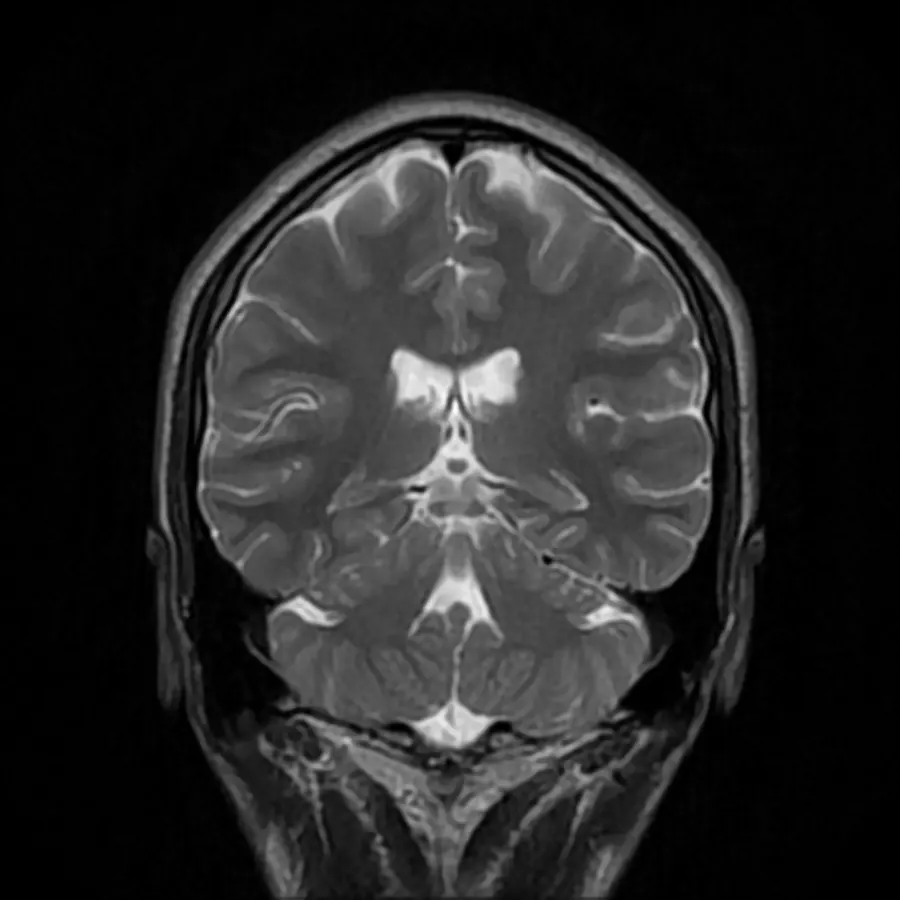
The Siamese network architecture is not face-specific, it applies to any problem expressible as "are these two things the same or different?" Fraud detection systems use it to compare signatures: is this cheque signature consistent with the one on file? Medical imaging systems use it to compare pathology scans: is this lesion similar to known malignant cases? E-commerce platforms use it to detect duplicate product listings. Drug discovery tools use it to compare molecular structures.
In every case, the structure is identical: two identical networks processing two inputs, a distance function comparing outputs, and a training objective that shapes the embedding space so similarity in the input domain corresponds to proximity in the embedded representation. The domain-specific knowledge comes entirely from the training data, not the architecture.
Why Pairwise Labels Are So Valuable
The power of the Siamese approach lies in what supervision it requires. It needs only pairwise labels, whether two examples are the same or different, not per-example identity labels. For signatures, you need to know that two signatures are from the same person, not which person that is. For medical images, you need to know that two scans show similar pathology, not a precise diagnosis.
This weak supervision is far easier and cheaper to collect than detailed per-example labels. For face recognition, it means the training dataset can be assembled from any collection of photos where the same person appears more than once, an enormous pool of easily available data. Pairwise labels can often be constructed automatically from metadata, without requiring human annotation of each image.
What Makes a Problem Suitable for Siamese Training
Not all problems benefit from the Siamese approach. It is most suitable when: there are many categories (identities, signatures, pathologies) but few examples per category; the goal is to compare new instances against a growing database rather than classify into a fixed set; and the similarity criterion is learnable from examples rather than being fully specified in advance.
Celebrity face matching fits all three criteria: there are thousands of celebrities with varying numbers of photos each; new celebrities need to be added without retraining; and facial similarity is a rich, multi-dimensional concept that benefits from being learned from examples rather than specified by rules.