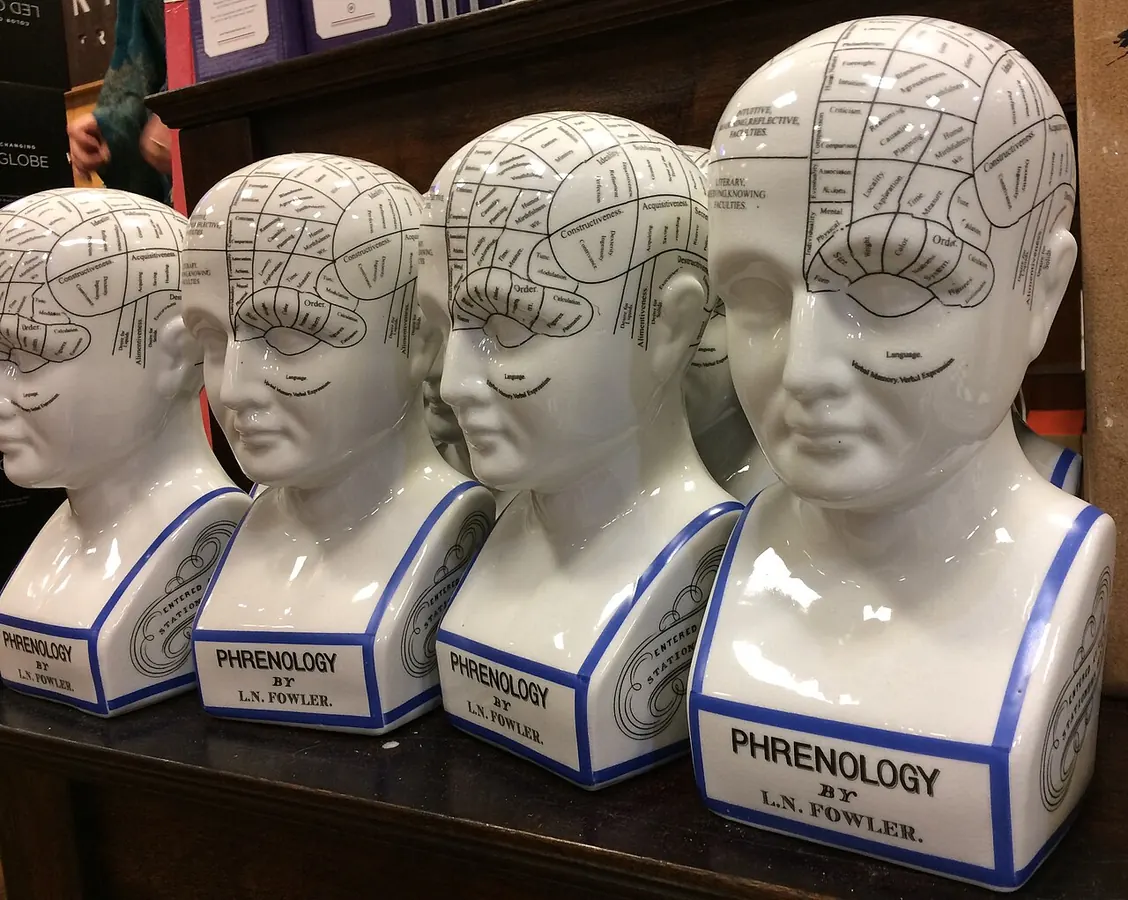
The History of Physiognomy
Physiognomy, the practice of reading character from facial features, dates to ancient Greece and was considered a serious discipline through the Renaissance and into the 19th century. Johann Kaspar Lavater's Physiognomische Fragmente (1775–1778) systematised the practice into a four-volume work. Francis Galton attempted statistical versions using composite photography. Cesare Lombroso applied it to criminology, claiming to identify criminal 'types' from facial characteristics.
All of these approaches have been thoroughly discredited. Controlled studies find no reliable relationship between facial features and personality traits, intelligence, criminality, or moral character. The correlations occasionally found in studies using automated facial coding are explainable by confounds, age, health, emotional state, or the habitual expressions that modify facial appearance over time, not by any direct face-character relationship.
The Resurgence in AI Contexts
Claims of machine physiognomy, that AI can determine personality, criminality, or sexual orientation from facial images, have appeared in academic publications and commercial products. These claims face fundamental methodological problems: the claimed correlations are statistically fragile, confounded with demographic variables, and in several high-profile cases have been shown to reflect dataset biases rather than genuine face-character relationships.
Distinguishing legitimate face recognition capability (identity comparison, which is well-validated) from illegitimate character inference capability (which is not) is critical for responsible AI development. The former is technically and ethically defensible; the latter is not.