The Challenge of Cross-Species Application
Face recognition networks trained on human faces do not transfer to animal faces without adaptation. The distribution of features, facial proportions, typical texture patterns, landmark positions, differs between species. A network trained on human faces will produce poor quality embeddings for animal faces because its learned representations are tuned to the human distribution.
Successful cross-species face recognition requires either transfer learning from a human face model with fine-tuning on species-specific data, or training a dedicated network from scratch on the target species. Both approaches have been demonstrated. The constraint is data: large labelled datasets of individual animal identities are expensive to collect and often cover only a few hundred individuals.
Conservation Applications
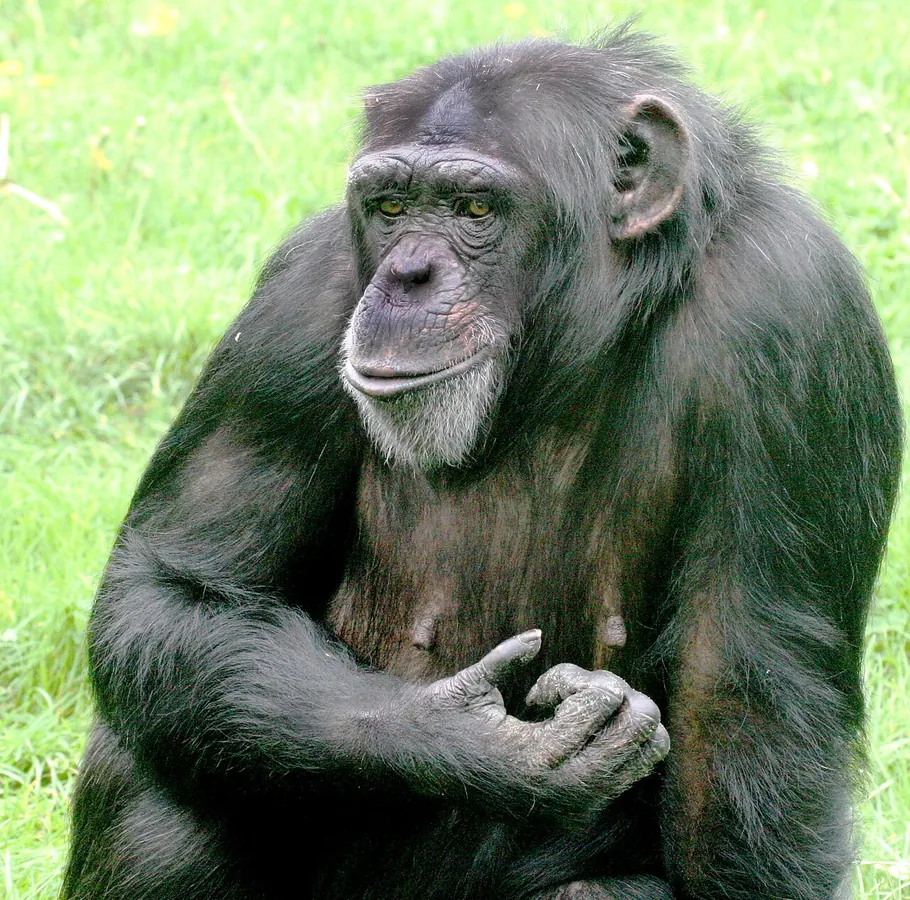
Wildlife conservationists are applying face recognition to automate individual identification from camera trap images, eliminating the need for manual identification by expert biologists who may spend hours per session reviewing footage. Systems have been developed for leopards, chimpanzees, sea turtles, whales (from fluke patterns), and cattle, among others.
The pattern approach also applies to non-facial features. Whale sharks and zebras are identified from their skin patterns using the same fundamental embedding and similarity search infrastructure. The architecture generalises beyond faces to any visual identity problem where individual identification can be inferred from consistent surface patterns.