What Color Analysis Is
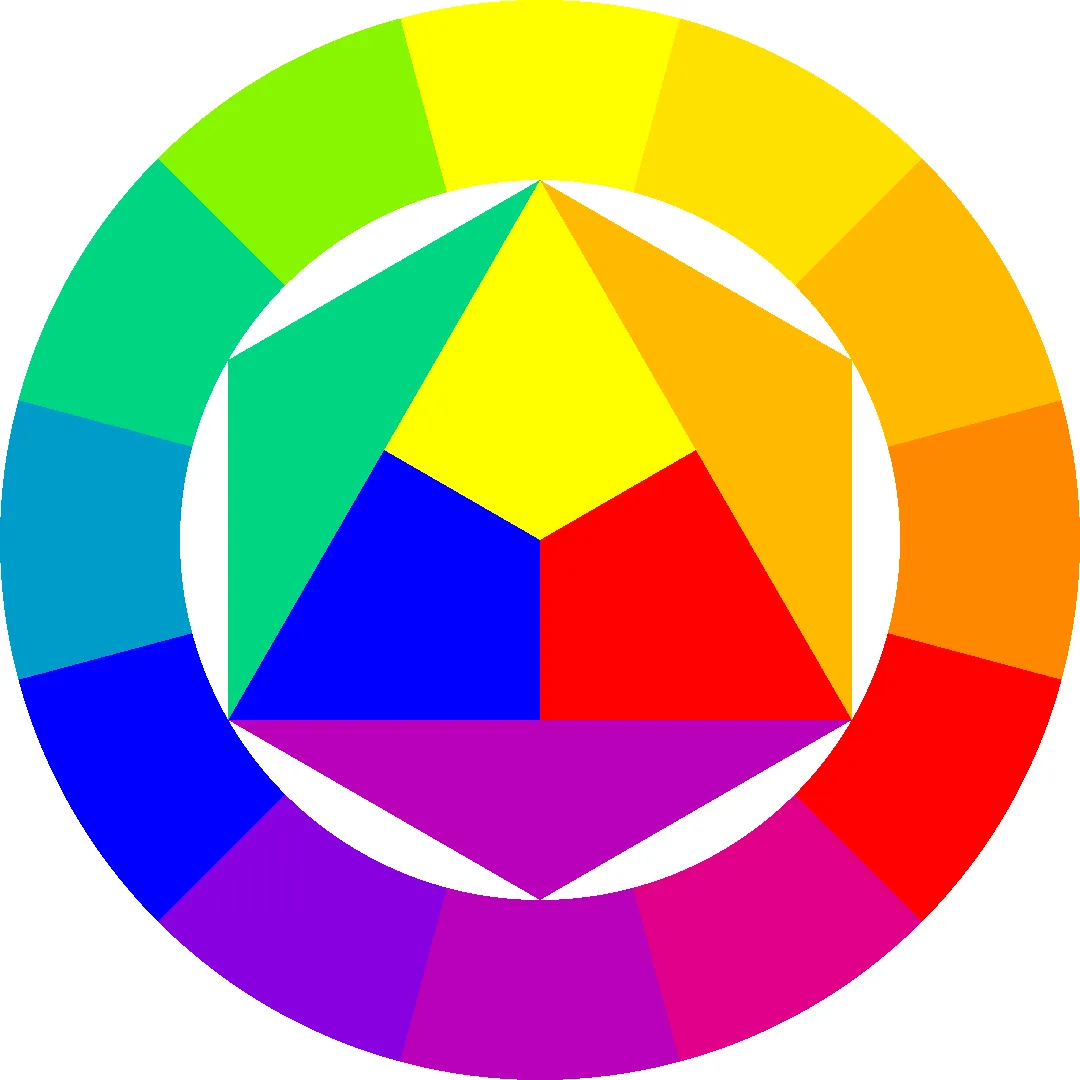
Color analysis picks the clothing colours that suit your skin, hair and eyes. The seasonal system grew out of the colour theory of Bauhaus teacher Johannes Itten and became popular with Carole Jackson's 1980 book Color Me Beautiful. It sorts people into four seasons, which many analysts now split into 12.
The idea is simple: colours that share your natural undertone and contrast make skin look even and eyes look clear, while colours that clash can make you look tired or washed out. There's little formal research behind the exact seasons, so treat them as a useful starting point rather than a rule.
The Four Seasons
Spring: warm undertone, light to medium depth, bright. Golden blonde or light auburn hair is common. Wears warm, clear colours: coral, peach, warm green, camel, light navy. Summer: cool undertone, light depth, soft. Ash blonde or light brown hair. Wears soft, cool colours: dusty pink, powder blue, lavender, grey-navy.
Autumn: warm undertone, medium to deep, soft. Auburn, chestnut or warm brown hair. Wears earthy colours: olive, rust, mustard, chocolate, cream. Winter: cool undertone, deep or high contrast, bright. Dark hair with light or deep skin. Wears clear, strong colours: black, pure white, true red, emerald, royal blue.
The 12-season version splits each season by its strongest trait. Spring, for example, becomes light, warm and bright spring.
Read more: What Colors Look Good on Me? A Skin Undertone Guide
How to Find Your Season at Home
Use daylight from a window, no make-up, and hair pulled back or covered if it's dyed. Hold each test colour under your chin and look at your skin, not the fabric.
1. Undertone. Compare pure white with cream, and silver with gold. If white and silver look better, you lean cool; cream and gold, warm. Our skin undertone guide has more tests. 2. Depth. If very dark colours overpower you, you're light (spring or summer); if pastels wash you out, you're deep (autumn or winter). 3. Clarity. If bright, saturated colours look good, you're bright (spring or winter); if muted, greyed colours look better, you're soft (summer or autumn).
Combine the three and you have your season. Ask a friend to watch too, since it's easier to judge someone else's face.
Using It Without Rebuying Everything
Colour matters most near your face: shirts, knitwear, scarves, collars and glasses frames. Trousers and shoes can stay neutral. If you love a colour outside your season, wear it below the waist or add a better colour at the neck.
To see a colour on a body like yours, try it on the free model in Ollie Stylist. Pick the model look closest to yours and compare a warm and a cool version of the same outfit.
Read more: Capsule Wardrobe for Men: 20 Pieces That Work Together